
Gut health
Prebiotics: the fertiliser your gut garden needs
We talk a lot about gut health these days — probiotics, ferments, live cultures — and rightly so. But there's another part of the picture that often gets overlooked: prebiotic fibre.
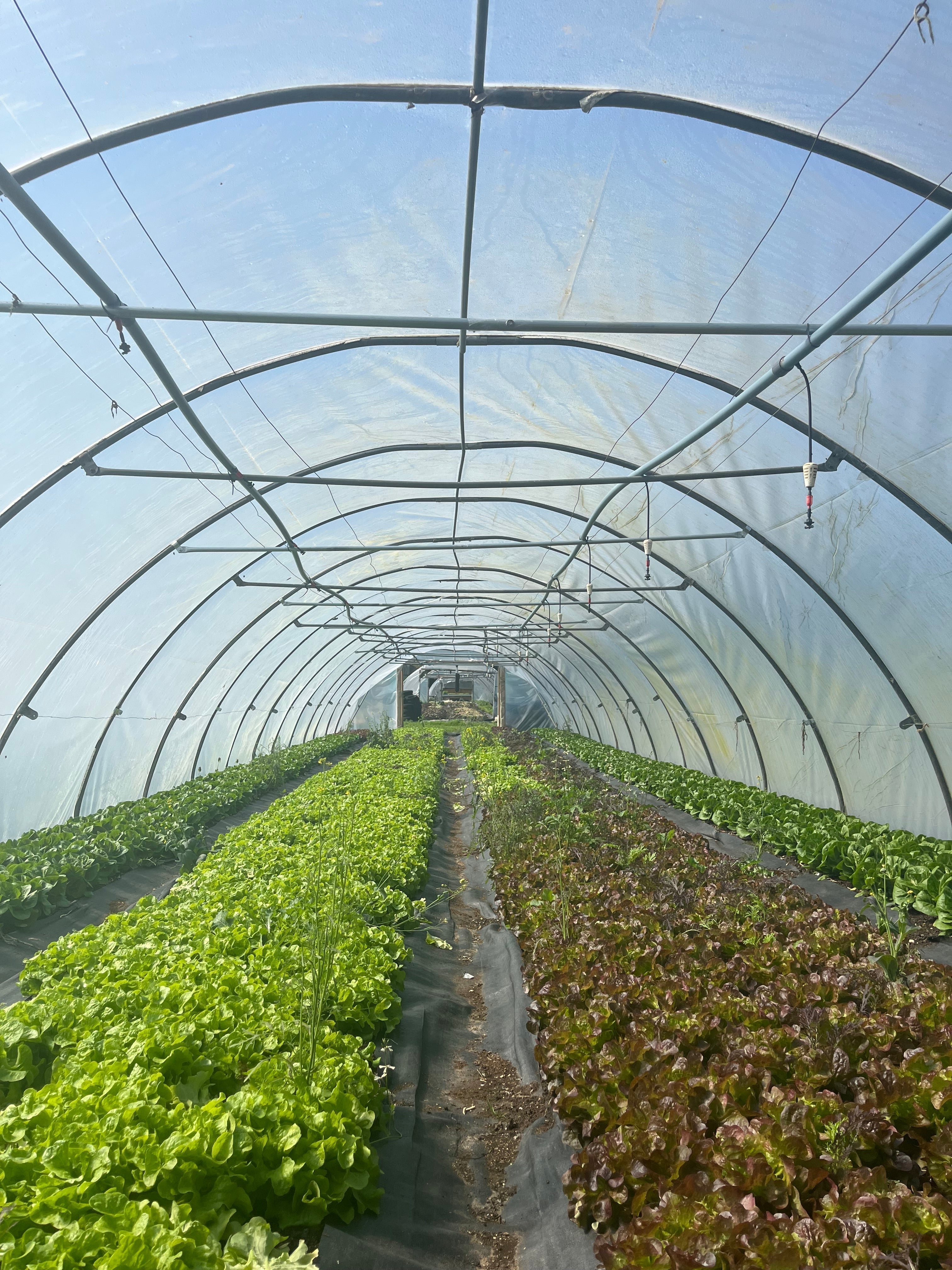
Think of prebiotics as fertiliser for your gut garden. Without it, your 'good bacteria' simply can't thrive.
Prebiotic fibres are the fibres you can't digest, but your gut microbes absolutely love. They feed the beneficial bacteria living in your gut, helping them grow, diversify and do the jobs we rely on them for, including digestion, immune support, nutrient absorption and even mood regulation. And the good news? They're found in real, whole foods.
What is prebiotic fibre exactly?
Prebiotic fibre is a specific type of dietary fibre found naturally in certain plant foods.
Unlike fibres that mainly help keep things moving, prebiotics actively feed beneficial gut bacteria. When these fibres reach the large intestine, they're fermented by microbes, producing compounds called short-chain fatty acids. These are linked to better digestion, reduced inflammation and a more resilient gut lining.
In simple terms:
Probiotics = the bacteria
Prebiotics = the food for the bacteria
You need both.
All prebiotics are fibre, but not all fibre is prebiotic. Fibre acts more like a general fertiliser, while prebiotics feed specific beneficial microbes. This helps build particular bacterial colonies that can have targeted health benefits.
Why most people need more prebiotic fibre
Even 'healthy' modern diets are often surprisingly low in fibre variety — and variety really matters here.
A diverse gut microbiome thrives on:
- Different plant fibres
- Whole vegetables (including skins, stems and roots)
- Pulses, lentils and legumes
- Alliums like onions, leeks and garlic
Research suggests we need at least 5g of prebiotic fibre a day to see real health benefits, supporting not just our own health, but potentially that of future generations too.
When prebiotic intake is low, beneficial bacteria struggle to maintain balance. Over time, this can show up as bloating, sluggish digestion, low energy or food sensitivities. The addition doesn't have to be dramatic. It's about gentle, consistent shifts — adding rather than restricting.
Prebiotics have been shown to help:
- Improve nutrient absorption, especially minerals like iron and calcium
- Strengthen gut resilience to infection
- Maintain a healthy gut barrier
- Support a balanced immune response
And because gut microbes play such a central role in whole-body health, these benefits ripple out far beyond digestion.
Prebiotics, generations and gut health
Looking after our gut isn't just about us. Microbes are passed from mother to baby during pregnancy, birth and early life. Things like delivery mode, breastfeeding, antibiotic use and acid-suppressing medications all shape early gut composition.
Some bacterial species can be wiped out entirely by antibiotics — and once they're gone, they're gone. Rebuilding microbial diversity takes time, care and the right food, which is yet another reason to nourish what we've got.

Foods high in prebiotic fibre
Some of our favourite whole-food sources of prebiotic fibre include:
Vegetables & roots
- Onions, leeks and garlic
- Asparagus
- Broccoli
- Globe artichokes
- Jerusalem artichokes
- Fennel
Pulses & grains
- Chickpeas, lentils and other legumes
- Oats, barley, rye, wheat and millet
- Corn on the cob
Resistant starch
- Cooked and cooled potatoes, rice and pasta
- Green bananas and plantains
Other sources
- Chicory root
- Konjac root
What about polyphenols?
Polyphenols (naturally occurring compounds in plant foods) have also been shown to have a prebiotic effect.
You'll find them in foods like:
- Cocoa powder
- Green tea
- Apples
- Blueberries and blackcurrants
- Kiwifruit
- Prunes
- Almonds (with skins)
- Pistachios
- Brown rice
Different microbes prefer different foods, which is why diversity really is the goal.
Why gut microbiome diversity matters
The more diverse and resilient our gut microbiome, the better supported our health becomes.
Each microbe has its own role, and they don't work alone. Much like the underground mycelium networks in forests, gut bacteria communicate, collaborate and support one another. To keep that system thriving, we need a varied diet rich in different prebiotic compounds — and sometimes, thoughtful supplementation can help too, especially during stress, illness or after antibiotics.
Two simple ways to get more prebiotic fibre into your day
1. Prebiotic Fibre Lentil Stew
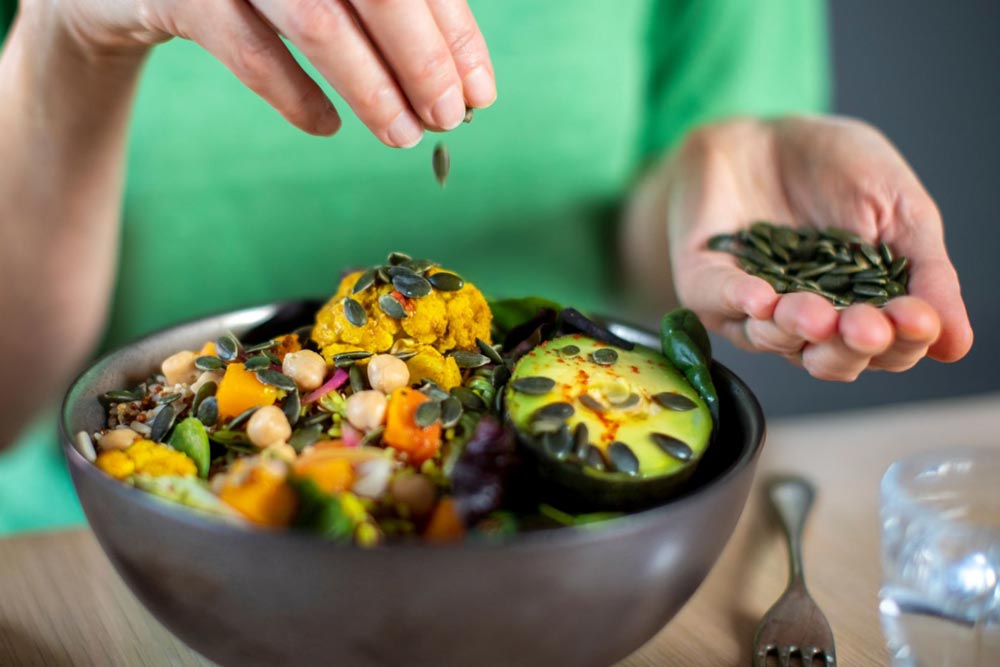
Nothing fancy. Just deeply nourishing, warming food that supports your gut while the weather does its thing. This stew is naturally rich in prebiotic fibres thanks to lentils, leeks, broccoli (make sure you use the stem too!) and ginger.

Made with organic ingredients available at Earthfare.
- 200g dry lentils
- 1 small broccoli (use the stem too)
- 1 leek, sliced
- 1 carrot, diced
- 1 tsp fresh ginger, grated
- 1 tbsp olive oil
- 1 vegetable stock cube, prepared as suggested
Optional to serve
- ½ avocado per portion, sliced
- A side of your chosen protein
1. Prepare the lentilsRinse the lentils well. Add them to a medium pot with the prepared vegetable stock. Bring to the boil, then simmer for 10–15 minutes until tender.
2. Add the vegetablesStir in the carrot, broccoli, leek and ginger. Simmer for another 8–10 minutes until the vegetables are soft but still vibrant.
3. Finish & flavourDrizzle in the olive oil and stir gently. Taste and season with salt and pepper if needed.
4. ServeLadle into bowls. Top with sliced avocado for creaminess and serve with your chosen protein if you like.
2. Raw Cacao Hot Chocolate with Prebiotic Fibre
A cosy hot chocolate that does more than just taste good. This gentle blend of raw cacao and prebiotic fibre supports digestion, feeds your gut bacteria and feels like a proper winter ritual. Perfect for evenings or slower mornings.

Why this combo works
- Raw cacao is naturally rich in polyphenols that support gut bacteria and mood
- Prebiotic fibre acts as fertiliser for your gut microbes, helping beneficial bacteria thrive
- Warm milk (dairy or plant-based) makes it easy to digest and soothing on the gut
- 1 tsp raw cacao powder
- 3 tsp Invivo prebiotic fibre powder (go low and slow if you are just introducing it — follow instructions on packaging)
- 250ml milk of choice (oat, almond, coconut or organic dairy all work well)
- ½ tsp cinnamon (optional, but yummy)
- Sweetener to taste (maple syrup or raw honey work well as raw cacao can be a little bitter for some)
Gently warm your milk of choice in a small pan over a medium heat — don't let it boil.
Add the raw cacao powder, prebiotic fibre and cinnamon if using. Whisk well until smooth and combined.
Pour into your favourite mug. Sweeten to taste and enjoy.
Supporting your gut gently
You'll find prebiotic fibre supplements in our supplement aisle, alongside plenty of prebiotic-rich foods and drinks across the shop and in the deli. You can also come and have a chat with our in-store qualified Health and Nutrition Advisor if you've got ongoing gut concerns or want more personalised support. We're always happy to help.
Frequently asked questions about prebiotic fibre
How much prebiotic fibre do I need daily?
Research suggests around 5g of prebiotic fibre daily may support gut health, within the UK recommendation of 30g total fibre per day.
What foods are highest in prebiotic fibre?
Leeks, onions, garlic, lentils, chickpeas, oats, asparagus, globe artichokes and resistant starch from cooked and cooled potatoes or rice.
What is the difference between prebiotics and probiotics?
Probiotics are beneficial bacteria. Prebiotics are the fibres that feed them.
Can prebiotic fibre cause bloating?
It can if introduced too quickly. Increase gradually and drink plenty of water.